
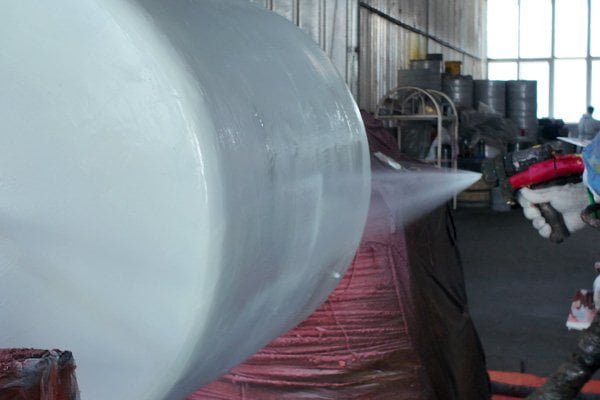
The phrase covers two kinds of lightness. The first is physical: foam and pneumatic units are buoyant, so they can be floated into position, moored and repositioned as the operation requires, while a boat collar is shaped to the hull it protects instead of asking the vessel to work around it.
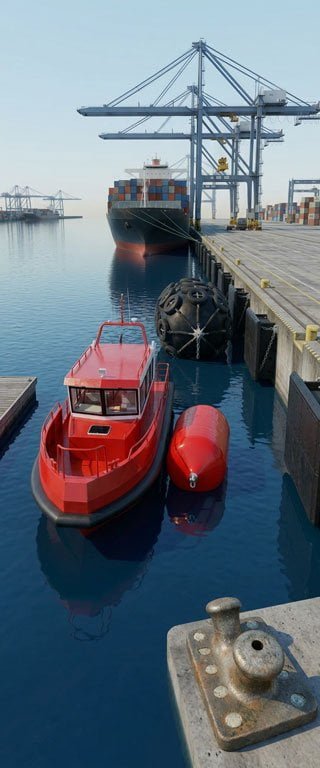
Make Light Work of Protection
Marine Fender & Mooring Systems Manufacturer
JettyGuard designs and supplies Marine fenders, mooring hardware and coated steel structures for shipowners and vessel operators, boat builders, ports and terminals, EPCC contractors, and shipyards.
Fenders, bollards and steelwork
Choose The Product That Fits Your Project
The right fender depends on where it is installed and whether it stays fixed in place or has to be repositioned.
Floating protection
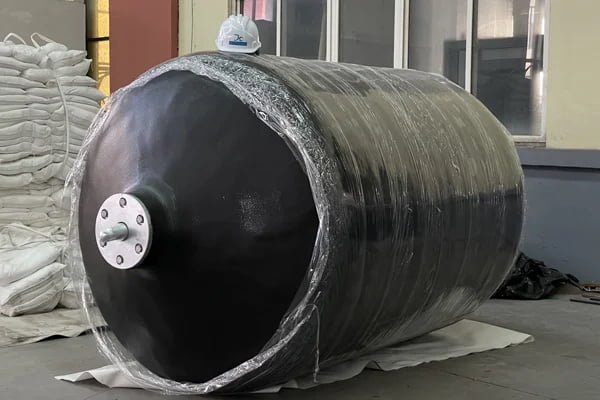
Foam Filled Fenders
Closed-cell foam core in a reinforced polyurethane skin. For units that stay afloat on exposed berths, dolphins or floating structures and take repeated contact with little maintenance.
See Foam Filled Fenders →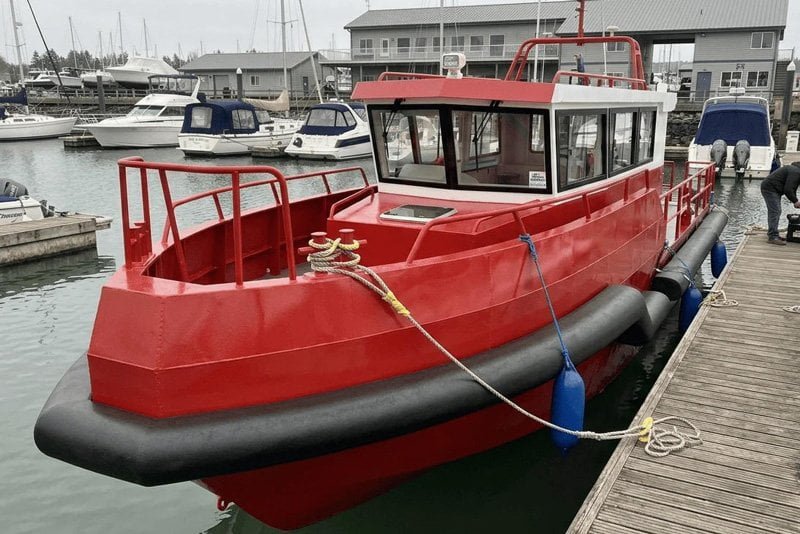
Hull-mounted protection
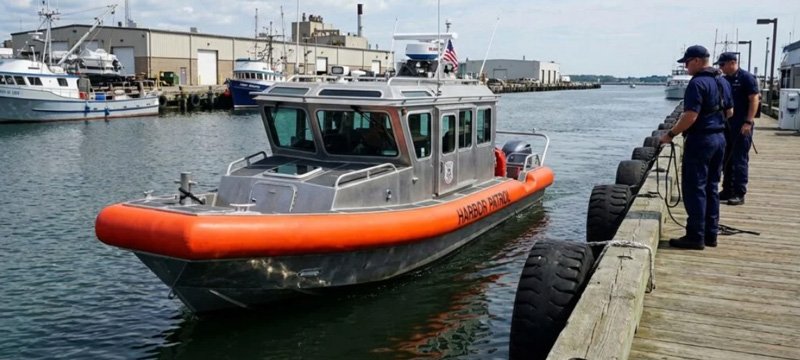
Foam Boat Collars
Hull-mounted protection shaped to one boat. For pilot boats, patrol craft, workboats and rescue vessels, where buoyancy and hull fit decide the design.
See Foam Boat Collars →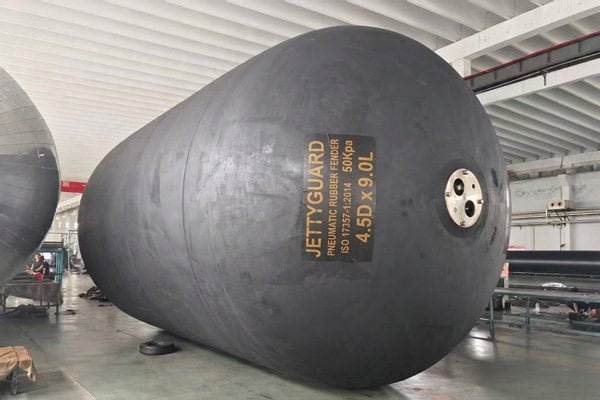
Positionable protection
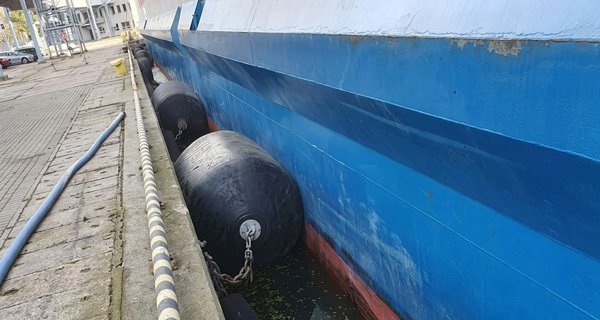
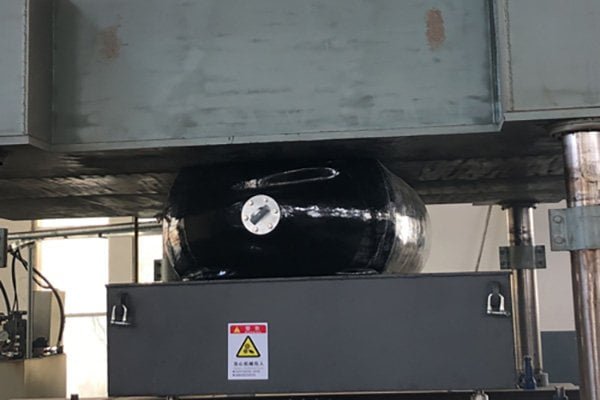
Pneumatic Fenders
Air-filled Yokohama type units that float and are positioned for the operation. For ship-to-ship transfer, tanker and LNG work, and high-energy contact between large vessels.
See Pneumatic Fenders →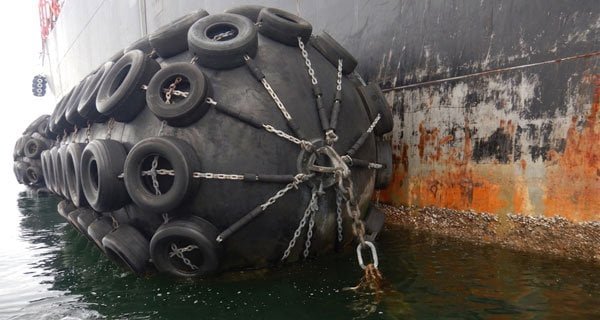
Berth and vessel applications
Choose By Application
LNG terminals, FSRU and ship-to-ship transfer
Large carriers alongside, with floating fenders positioned for the operation.
Go to Pneumatic FendersExposed jetties, dolphins and floating docks
Tidal range, swell and limited access for maintenance.
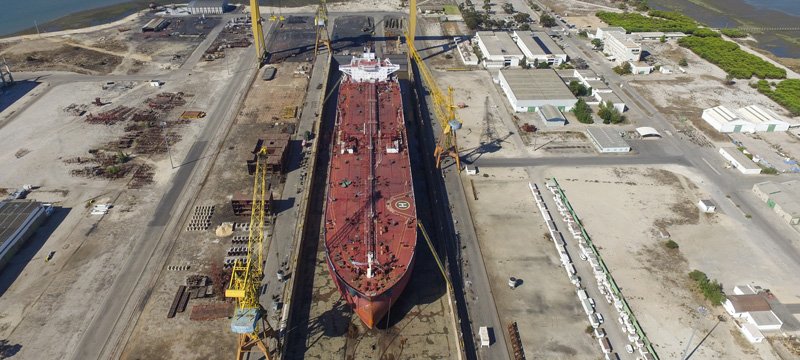
Go to Foam Filled FendersShipyards and dry docks
Mixed vessel sizes, plus panels and coated steelwork.
Go to Marine Steel StructuresMake Light Work Of Protection
What Make Light Work Of Protection Means
The second is the work around the product. Clear engineering input, drawings you can review, and documentation that matches what was agreed reduce the coordination effort your team carries.
How Projects Stay Under Control
Every proposal starts from a stated design basis. Fender design follows PIANC 2024 guidance, so the berthing energy, reaction force and hull pressure assumptions behind a recommendation can be reviewed against a recognised reference rather than a datasheet alone. You receive the calculations and drawings behind that recommendation, and the inspection points and documentation are agreed before production instead of being negotiated at delivery. Third-party inspection by BV or SGS is available on request.
Project process
From Project Input To Delivery
Lead time, inspection arrangements and commercial terms are confirmed per order, because they depend on product, quantity and destination. Start at Contact →
- 01
Project brief
You send vessel type and dimensions, berth or structure details, and site conditions such as wind, current, wave and tidal range.
- 02
Engineering review
Our team checks the inputs and proposes a configuration with the supporting calculation basis.
- 03
Drawings and specification
The configuration is issued as drawings and a written specification for your review and approval before anything is built.
- 04
Production and inspection
Production runs against the approved scope, with the inspection points and documentation agreed beforehand.
- 05
Packing and delivery
Export packing, marking and shipment against the agreed scope.
JettyGuard
Who You Are Working With
JettyGuard Engineering Technology (Chongqing) Co., Ltd. is a marine fender manufacturer with an in-house engineering team, and we coordinate each project so you keep one point of contact. We supply oil and gas operators, EPCC contractors, port authorities, shipyards, boat builders and ship owners.
Company background, mission and how the team works →Quick selection
Still Deciding Where To Start?
Choose by mounting relationship
| Your situation | Usual starting point |
|---|---|
| Fixed quay or dock face, frequent berthing | Rubber Fenders |
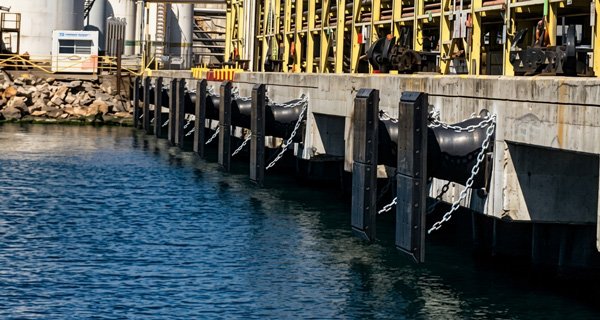
| Floating, exposed or tidal berth | Foam Filled Fenders |
| Floating protection between vessels | Pneumatic Fenders |
| Protection fitted to one hull | Foam Boat Collars |
| Shore-side mooring points | Mooring Bollards |
| Panels, frames and coated steelwork | Marine Steel Structures |